 Pramod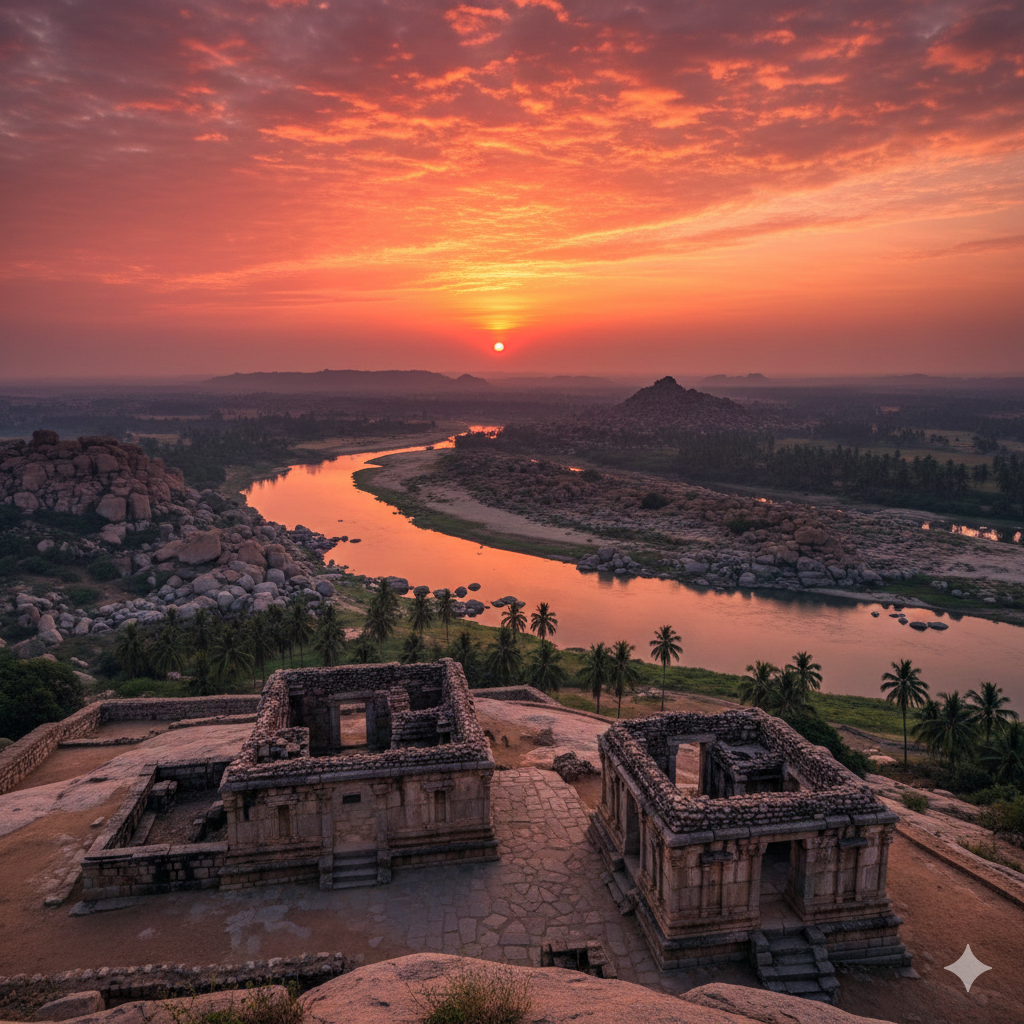
Last month, I packed my bag and headed to Hampi, Karnataka, honestly not knowing what to expect. I’d heard about the ruins, the history, the landscape—yeah, it sounded like a postcard. But what I discovered was something way more profound. A place that felt like stepping into a living story, a timeless wonder that made me slow down and reflect. Want to know the best part? It all started at sunrise on Matanga Hill. That peaceful moment set the tone for days filled with awe, surprises, and quiet revelations.
The Unexpected Magic of Sunrise at Matanga Hill
I woke up around 4:30 AM, clutching my jacket and a bottle of water, ready to hike up Matanga Hill before the sun peeked over the horizon. Honestly, I wasn’t expecting much—just a good view and maybe some photos. But nothing prepared me for what I saw that morning. As I reached the summit just before dawn, a cool breeze greeted me, and the only sounds were the distant calls of birds waking up and the soft rustling of leaves.
The sky was turning shades of pink and orange, lighting up the ruins that cling to the hill’s slopes. I was surprised by the stillness—no tourists, no chatter, just pure peace. The sprawling landscape of Hampi stretched below, dotted with temples, boulders, and the Tungabhadra River snaking through it all. Watching the first light touch the ancient stones, I felt this strange connection to history and nature—a quiet reminder that both have their own rhythms. Honestly, I was so captivated, I forgot to take photos. I just stood there, soaking it all in.
That peaceful start made me realize: this place isn’t just about ruins. It’s about time standing still, about feeling the stories of centuries whispered through the wind. I knew right then that this trip would be about more than sightseeing—it was about reconnecting with something deeper inside.
Wandering Through the Vijayanagara Ruins – Walking Back in Time
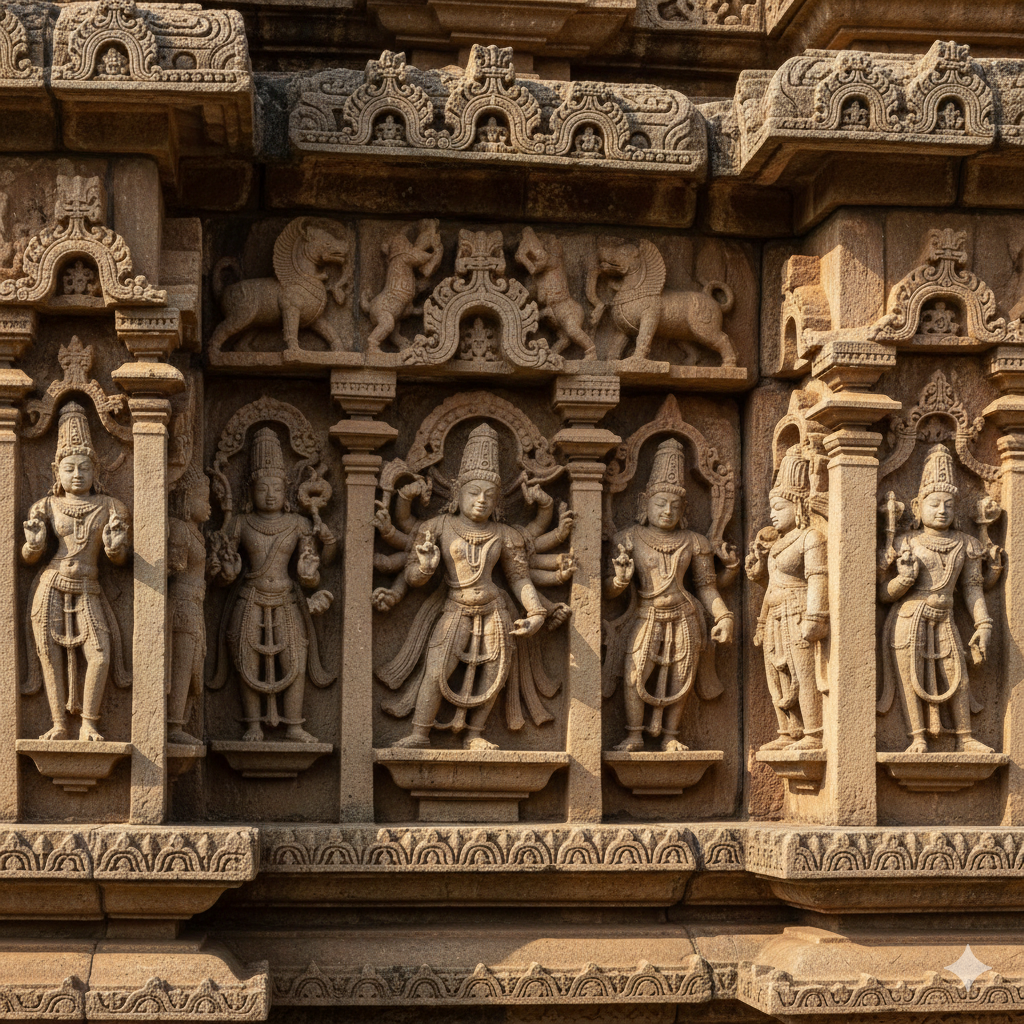
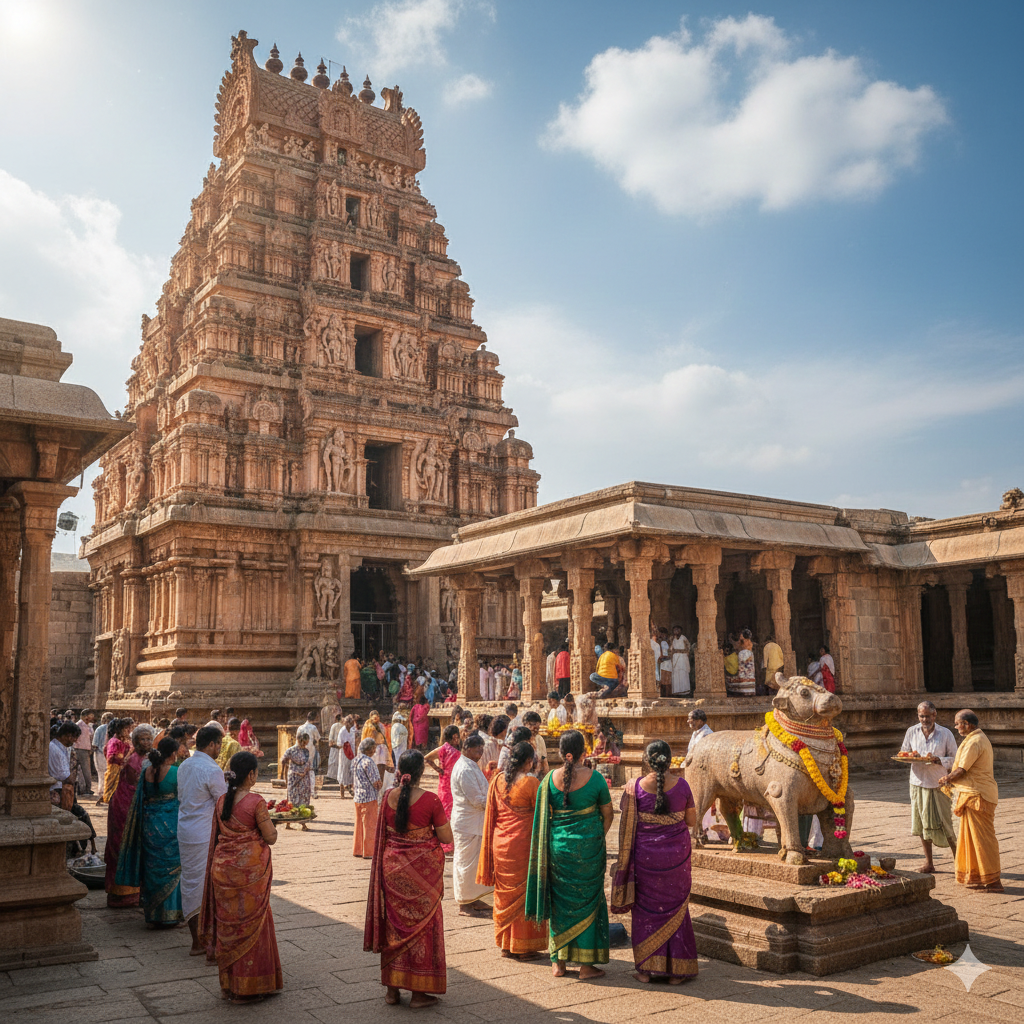
By 8 AM, I made my way into the sprawling Vijayanagara ruins. I was immediately struck by the grandeur—the massive stone gateways, intricate carvings on every surface, and the quiet hum of history. I strolled past the crumbling temples, feeling like I was walking through a living museum. The Virupaksha Temple, in particular, caught my attention. It’s still active and bustling with devotees, so there’s always an energy that feels authentic rather than overly touristy.
I made the mistake of visiting during the afternoon heat—let’s just say, the sun was relentless. But honestly, it was part of the adventure. The temple elephant, with its gentle eyes, wandered past while I admired the murals that seem to tell stories of gods and kings in vibrant colors. The walls are full of carvings that, even after centuries, still whisper their tales if you look close enough.
And then there’s the iconic stone chariot at Vijaya Vittala Temple—probably the most photographed site here. Its intricate pillars and the way sunlight hits the carved stone make it look almost alive. I imagined the empire’s glory days, bustling markets, grand processions, and kings sitting on their thrones. I paid ₹500 for the entry, and honestly, it was worth every rupee. Tip: go early or late in the day to avoid crowds and really soak in the quiet majesty of these ruins.
Walking around, I found little hidden corners—an alcove here, a quiet porch there—places where I could pause and really absorb the history without being jostled. It’s one of those places where you need a slow pace; trust me, it’s the only way to truly appreciate its grandeur.
Climbing Hemakuta Hill and the Serenity of Sunset
Later that afternoon, I decided to trek up Hemakuta Hill, which is just a short, scenic climb from the main ruins. Along the way, I passed small temples, each with its own story, and the views kept getting better with every step. The hill is dotted with unusual boulders that seem like nature’s sculptures—some look like animals, others like abstract art.
When I finally reached the top around 5:30 PM, I was greeted by a panoramic view. The sky was blazing with colors—orange, pink, purple—an artist’s palette. As the sun dipped lower, the ruins cast long shadows, creating a surreal silhouette against the fiery sky. I sat there in silence, watching the scene unfold, feeling a strange sense of calm. It’s truly the perfect spot for reflection, blending history, spirituality, and natural beauty in one breathtaking package.
Watching the sunset on Hemakuta Hill felt like a closure to the day’s journey through time. I could hear the distant sound of kids playing, the soft hum of prayer from nearby temples, and the occasional bird call. It was honestly one of the most peaceful moments of my trip.
Exploring Hidden Corners and Local Life
The next day, I veered off the beaten path—wandering through lesser-known lanes of Hampi Bazaar and nearby villages. It’s easy to get caught up in the main sites, but some of the best moments are found in quiet alleyways. I met a friendly vendor selling handcrafted jewelry—she told me how her family has been making these pieces for generations. Her stories made me realize that Hampi isn’t just ruins; it’s a living, breathing place with stories of its own.
I rented a scooter for ₹300 and explored small villages around Hampi. The rural scenery—lush fields, traditional huts, friendly faces—felt like a glimpse into everyday life here. I made a stop at a tiny local café, where a cheerful woman served me a simple but delicious banana leaf thali. It was filled with rice, sambar, vegetables, and spicy chutney—honestly, the best meal I had on the trip. It’s these spontaneous encounters that add a layer of authenticity to travel. You get to see the real Hampi, beyond the tourist spots.
The Royal Enclosure and Queen’s Bath – Stories of Power and Leisure
One afternoon, I explored the Royal Enclosure—massive walls, ornate gateways, and the remnants of royal palaces. I imagined the kings walking these grounds, enjoying lavish feasts, and ruling over a thriving empire. The Queen’s Bath was another highlight—a peaceful pool built for royal relaxation. It’s surprisingly serene, with stone steps leading down to the water, and the intricate carvings on the walls whisper stories of leisure and power.
Standing there, I couldn’t help but think about how this empire, once bustling with life and wealth, eventually fell into ruins. It’s humbling—these stones have seen centuries of history, and I felt like a tiny part of something much bigger.
A Day with the Wild at Daroji Bear Sanctuary
Switching gears, I took a day trip to Daroji Bear Sanctuary, about 40 minutes from Hampi. I’ve always loved nature, so seeing wild animals in their habitat was a real treat. The landscape here is different—semi-arid, dotted with scrubby bushes and rocky outcrops. I was lucky enough to spot a few sleepy sloth bears, munching on termites and lazing around.
The experience made me realize that Hampi’s landscape isn’t just about history; it’s a thriving ecosystem that deserves respect and protection. It’s refreshing to see how the natural environment still thrives amidst ruins, reminding us that preservation is key—both of the past and the present.
Savoring the Flavors of Hampi
Of course, no trip is complete without good food. I kept going back to Mango Tree Restaurant in Hampi Bazaar—best banana leaf thali, fresh lime soda, and their Nutella pancakes (which, by the way, were amazing). The vibe is cozy, and the staff is super friendly, making you feel right at home.
Other favorites included Sai Family Restaurant, with its flavorful Chinese bhel and local thali, and Prakruti Restaurant, where I tried Karnataka specialties like idli, paddu, and mirchi bhajji. On Hippie Island, I enjoyed a mix of international dishes—pasta, sizzlers, Tibetan momos. The food scene is lively and diverse, a true reflection of Hampi’s openness and cultural richness.
Nightfall and the Magic of Hippie Island
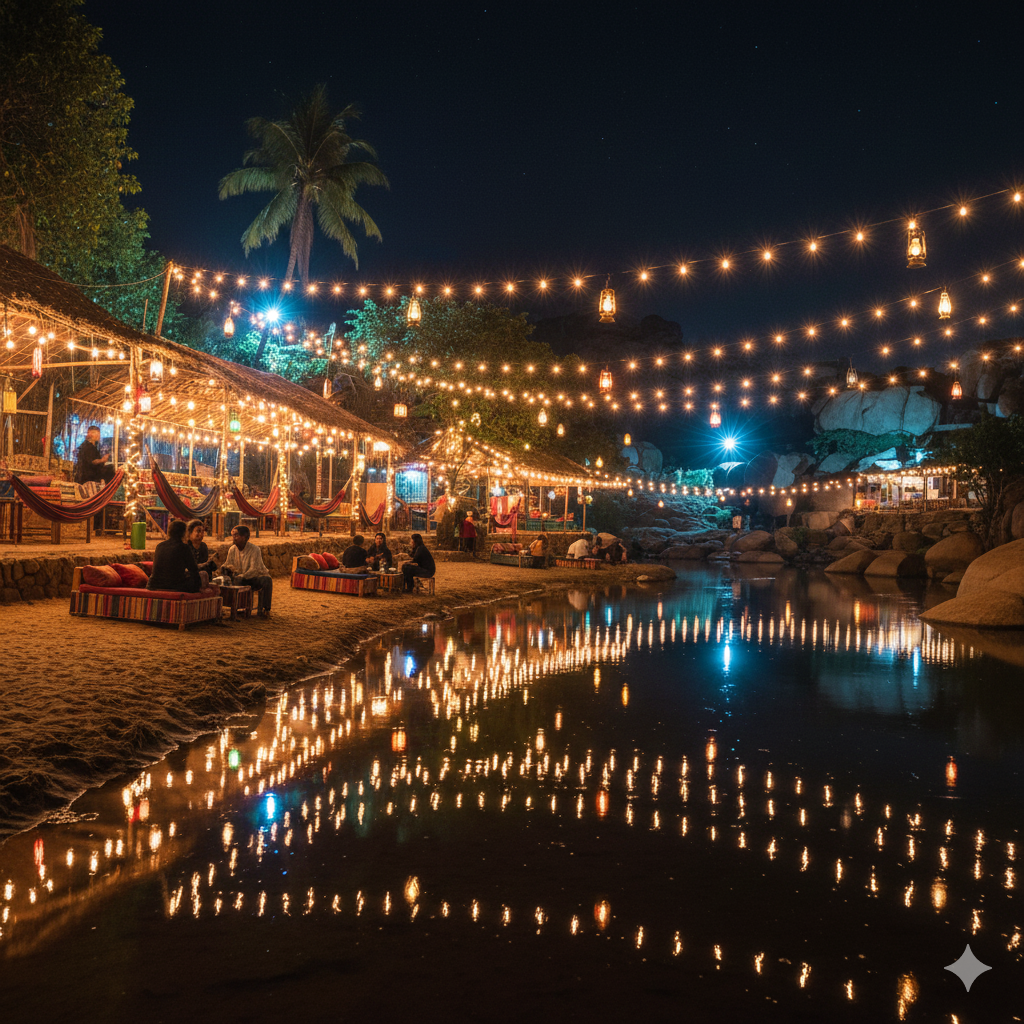
As the sun set, I crossed over to Hippie Island via the ferry, feeling that relaxed, carefree vibe everyone talks about. The place is all about chill—live music, open-air cafés, hammocks swaying in the breeze. I found a quiet spot by the river, sat on a stone bench, and watched stars emerge above the water.
Listening to a local band play folk tunes, I felt this beautiful sense of community and connection. The night was gentle, the air filled with the scent of incense and woodfires. It’s the kind of place that makes you slow down and just be. I’d recommend staying overnight on the island if you want to soak in that vibe properly—trust me, it’s worth it.
Final Reflections – What Hampi Taught Me
Looking back, my visit to Hampi was more than just sightseeing. It was a journey through time—through history, nature, and culture—that made me pause and reflect. The ruins, the landscapes, the people—every element added a layer of understanding and appreciation. I realized how important it is to preserve such heritage sites—not just for their beauty but for the stories they hold.
Hampi is a reminder that the past isn’t just behind us; it’s woven into the fabric of our present, waiting to teach us patience, humility, and wonder. Honestly, I left with a renewed sense of mindfulness—less hurried, more present. That’s the real treasure of this place.
If you’re ever planning a trip, don’t just rush through. Spend time, get lost in its lanes, watch the sunset from Hemakuta Hill, and maybe, just maybe, let Hampi’s silent stories whisper a little wisdom into your soul.
Quick Tips for Your Trip:
- Best time to visit: October to March for cooler weather and festivals like Hampi Utsav.
- Hop on a scooter—₹300-₹400 per day—and explore the villages.
- Early mornings are perfect for temples and sunrise views.
- Avoid crowds at popular sites like Vijaya Vittala Temple—go early or late.
- Bring water, sunscreen, and a hat—you’ll need them in the heat.
- Stay near Virupaksha Temple or on Hippie Island for easy access and some peace and quiet.
Hampi isn’t just a place you visit—it’s a place you experience. And honestly, I can’t wait to go back.
 Independence Day Getaways & Events: Best Places to Visit in Karnataka (2025)